BENDING TOOLING
Tooling for the Bending Requirement.
AXIFORM reviews bending tooling against the part shape, bend requirement and machine conditions that determine the finished result.
WHY TOOLING MATTERS
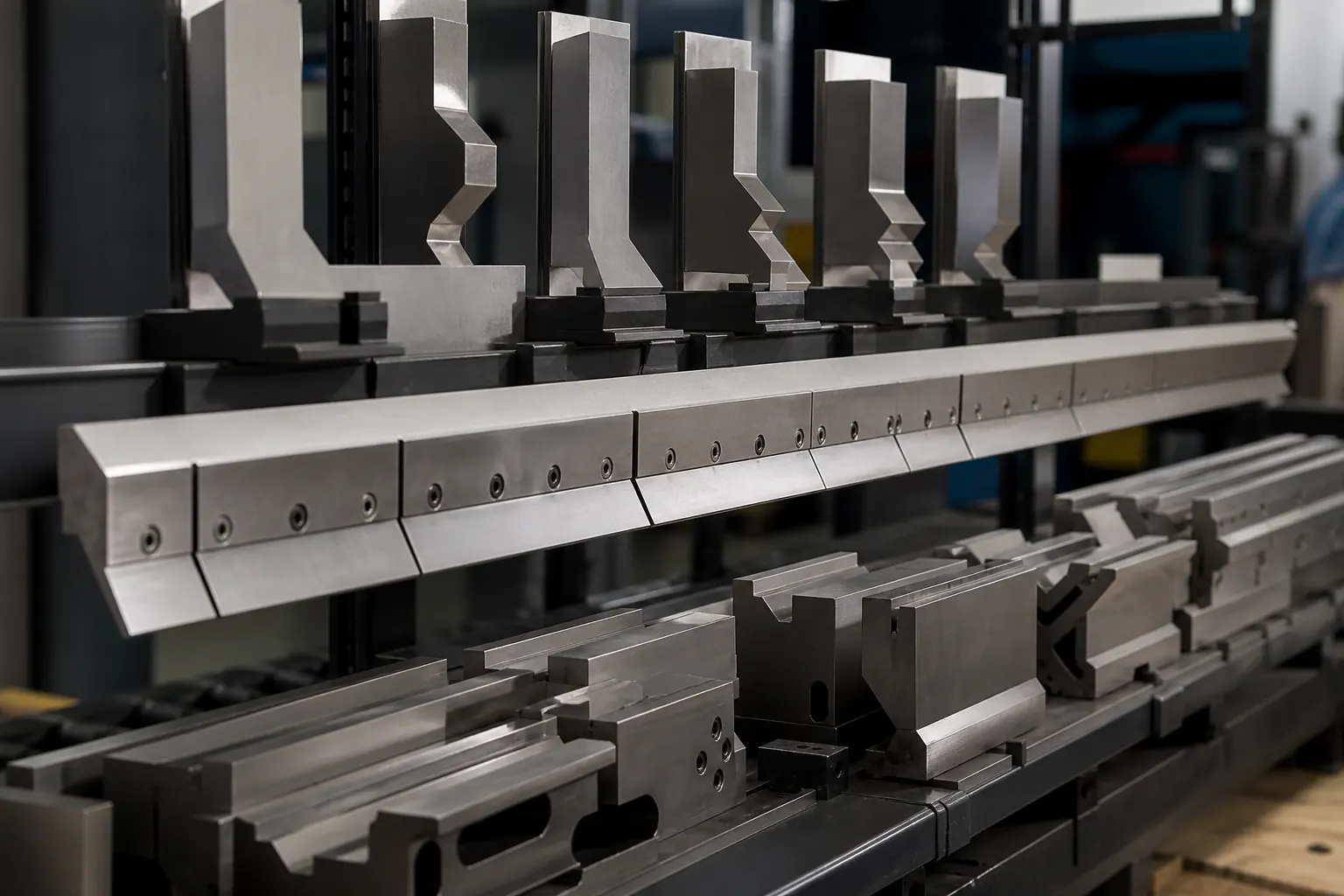
Tooling Selection Directly Affects the Bending Result.
Punch, die and tooling combinations affect bend angle, forming clearance and repeatability, so selection must be reviewed against the part, material and machine conditions.
HOW TOOLING IS REVIEWED
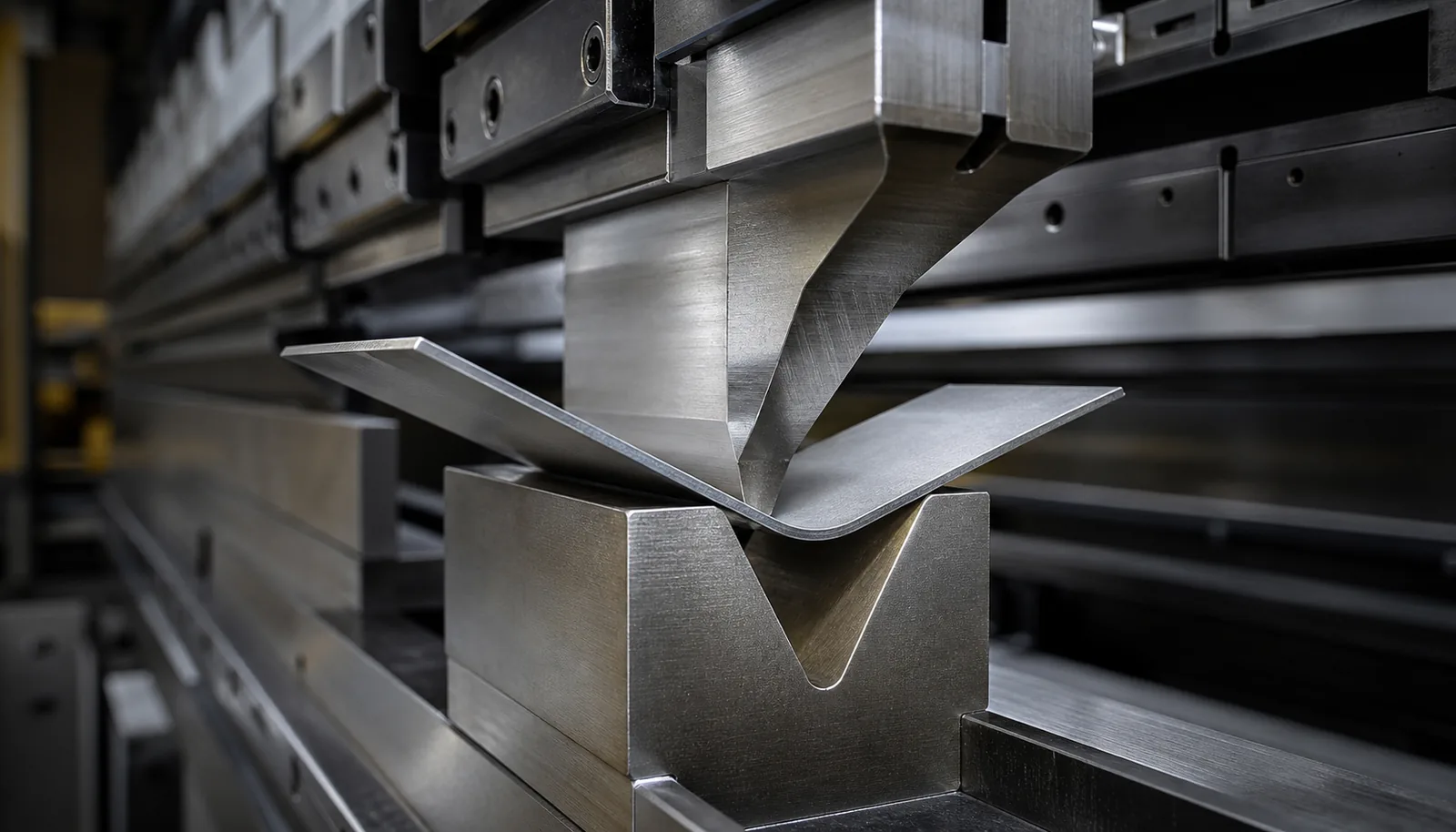
Tooling Is Reviewed Against Four Production Inputs.
Part shape, material and thickness, bending requirements and machine conditions provide the inputs for tooling selection.
PART SHAPE
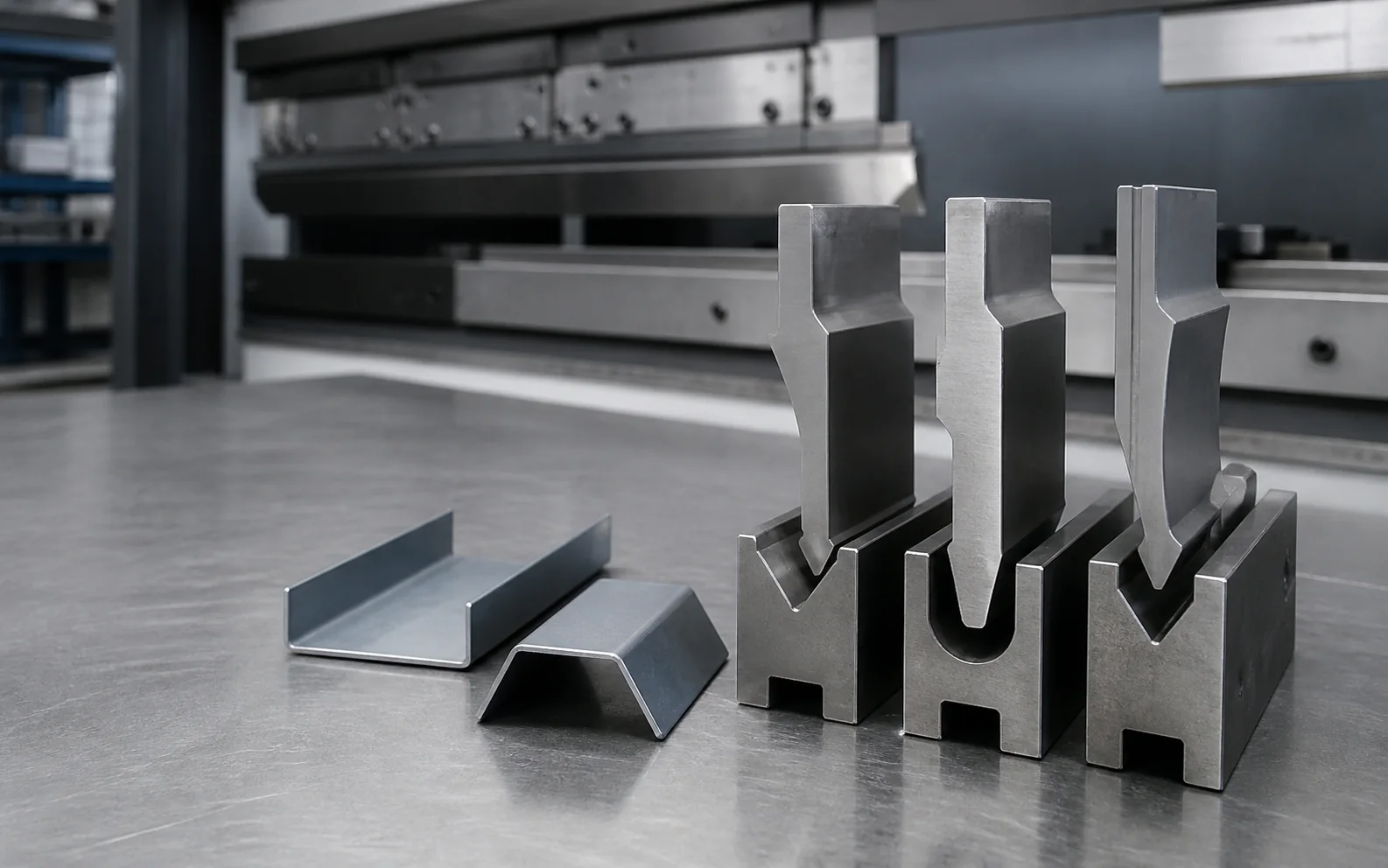
Part shape and bend position define the tooling geometry that must be reviewed.
MATERIAL & THICKNESS
Material type and thickness influence bending conditions and tooling selection.
BENDING REQUIREMENTS
Angle, bend direction and production requirements define the bending task.
MACHINE CONDITIONS
Available press-brake and production conditions define compatible tooling.
TOOLING APPLICATION
Tooling Selected for the Bending Application.
Punch, die and application-specific tooling are selected to match the bend requirement and available machine conditions.
PUNCH
DIE
APPLICATION-SPECIFIC TOOLING
TOOLING MATCH
BENDING RESULT
Part Shape, Tooling and Bending Conditions Determine the Final Bend.
The final bend is determined by the part shape, bend requirement, tooling selection and actual production conditions.
PART
BEND
TOOLING
PROCESS
RESULT
TOOLING MANUFACTURING RESOURCE
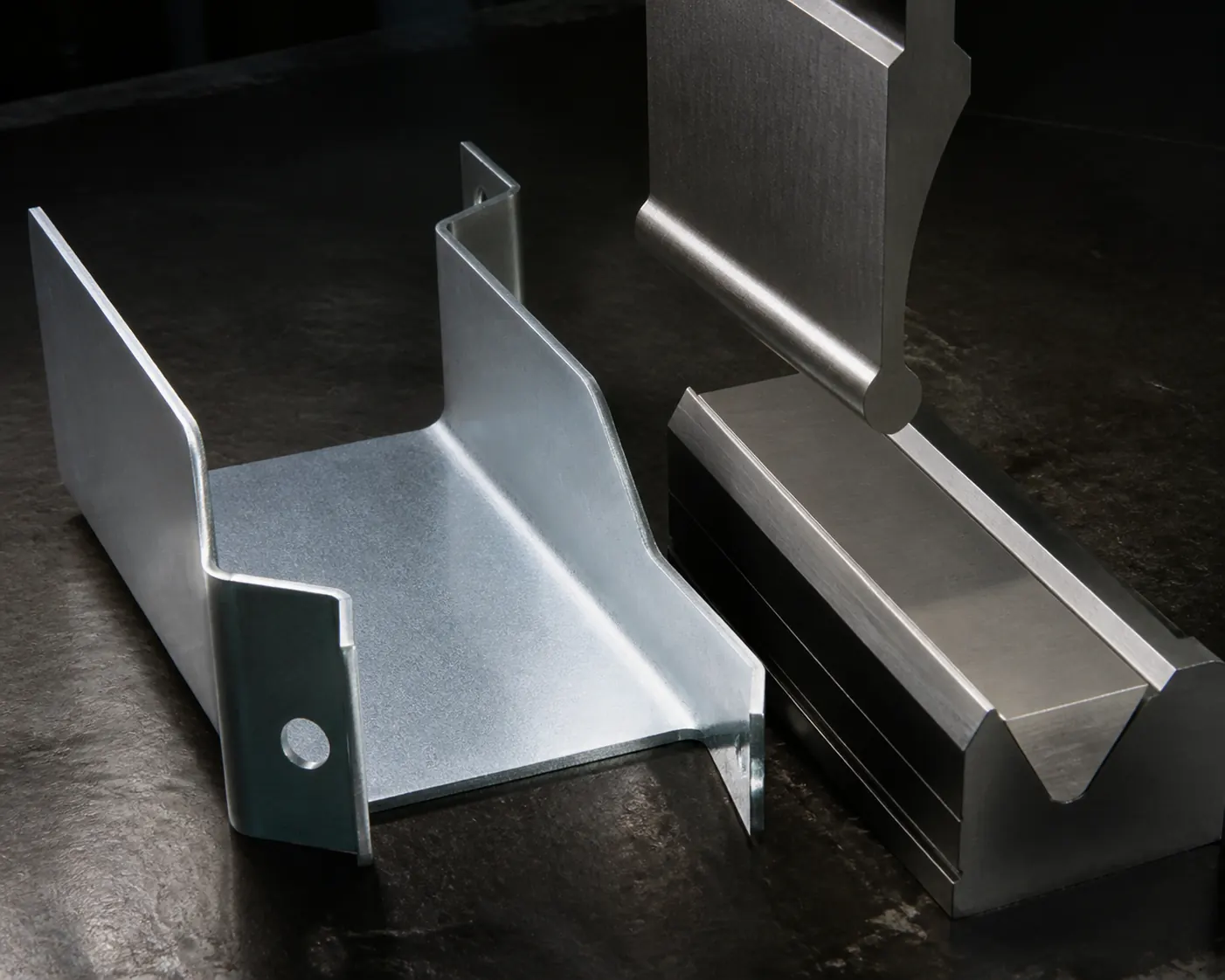
Manufacturing Resources Matched to the Confirmed Tooling Requirement.
KYOKKO tooling products may be considered after the tooling requirement has been confirmed.
TOOLING MANUFACTURER REFERENCE
KYOKKO
TOOLING REQUIREMENT
Start with the Part and Bending Requirement.
Available part information and bending requirements can begin the tooling discussion.